Showing posts with label Tubular heating elements manufacturers. Show all posts

Wednesday, January 14, 2026

Customizing Tubular Immersion Heaters for Deep Water Tank Applications


Introduction: Tubular immersion heaters are customized in length, power (100–240V), and corrosion-resistant materials to efficiently heat deep water tanks in home and commercial dispensers, ensuring safety and energy savings.


As the seasons change and colder months settle in, the demand for efficient water heating in home and commercial water dispensers rises noticeably. Immersion heaters must adapt to these seasonal fluctuations, especially when dealing with deep water tanks that require quick and even heating. Tubular heating elements manufacturers have developed specialized solutions to meet this need, offering products such as long-handle type heating tubes that ensure reliable warmth throughout colder periods. This responsiveness to seasonal shifts highlights the importance of custom design in immersion heaters, keeping water dispensers functioning smoothly when it matters most.


Adjustable Heating Lengths and Sizes Tailored to Specific Water Dispenser Needs

Temperature consistency in water dispensers with deep tanks can be challenging without the proper heating element length and size. Tubular heating elements manufacturers recognize this, providing customized heating tubes that fit unique tank depths and diameters precisely. These adaptable designs offer various heating lengths, enabling the heating element to reach lower into the water column for thorough warmth diffusion. The ability to tailor the spiral coil layout and overall size ensures that water dispensers maintain targeted temperatures efficiently, preventing cold spots even during extended use. Heating element manufacturers specializing in these customization processes prioritize seamless integration, matching the product dimensions to existing dispenser models or customer-specific requirements. By doing so, this customization facilitates faster heating cycles and energy efficiency, essential in both home and commercial settings where consistent hot water availability is critical. Such flexibility also aids manufacturers and users alike by reducing heat loss and improving overall system performance, contributing to a more satisfactory experience with water dispensers year-round.


Voltage and Power Ratings Adapted for Variable Commercial and Home Settings

Different applications call for different heating power and voltage specifications, a reality that heating element manufacturers address by producing versatile immersion heaters designed for a range of settings. Tubular heating elements manufacturers craft products compatible with common household voltages ranging from 100 to 240 volts, as well as the varied power needs typical of commercial water dispensers. This adaptability ensures that the heating tubes offer reliable, continuous operation across diverse electrical environments, whether in small offices, cafes, or private kitchens. Adjustable power ratings make these elements suitable for steady heating or rapid temperature increases based on customer needs. The ability to customize power output while maintaining safety and efficiency standards makes these immersion heater options appealing for prolonged use without risking overheating or electrical strain. Heating element manufacturers integrate features such as balanced heat dissipation and robust wiring to enhance durability in different environments. The careful calibration of electrical characteristics enables these products to support various tank sizes and usage patterns, underscoring the importance of adaptive design in immersion heating technology.


Material Choices Supporting Drinking Water Safety and Long-Term Use

Ensuring the safety and longevity of immersion heaters is paramount when the heated water is intended for consumption. Leading tubular heating elements manufacturers focus heavily on material quality, selecting corrosion-resistant stainless steel alloys like SUS304 or SUS316L for their heating tubes. These materials not only comply with strict drinking water safety standards but also resist scale buildup and corrosion over time, which can degrade performance and water quality. Heating element manufacturers weld the spiral coils to the straight tubes with precision, creating durable joints that resist mechanical stress and reduce the risk of contamination or leaks. Offering alternative materials such as INC840 or INC800, these manufacturers cater to varied customer preferences and environmental conditions, ensuring that the product matches the intended water quality and use-case demands. The thoughtful design of moisture barriers and protective coatings further enhances the stability of the heater for prolonged operation. This attention to detail safeguards user health and supports the consistent delivery of clean, warm water, reinforcing the role of material science in the immersible heating element industry’s steady advancement.


Adapting immersion heating elements for deep water tanks requires a balance of technical precision, adaptable design, and high-quality materials. The contributions of heating element manufacturers and tubular heating elements manufacturers exemplify this approach by offering customizable solutions that address seasonal needs, electrical environments, and safety standards. The use of well-chosen materials like corrosion-resistant stainless steel supports durable function and drinking water safety over extended timeframes, while adjustable sizes and power options maintain heating efficiency in various applications. By relying on this expertise, users can experience dependable, comfortable hot water provision tailored to their specific requirements, promoting ease of use and peace of mind well into the future..


References

Water Dispenser Heating Tube (Long Handle Type) – Immersion electric heating element for home or commercial water dispensers.

Electric Immersion Heater - Deep Fryer Heating Tube – Designed for heating cooking oil in deep fryers.

Frying Pan Heating Tubes for Kitchen Equipment – Electric heating tubes for deep fryers delivering consistent heating.

Dry-Burning Tube Collection – Heating tubes designed for dry heating applications.
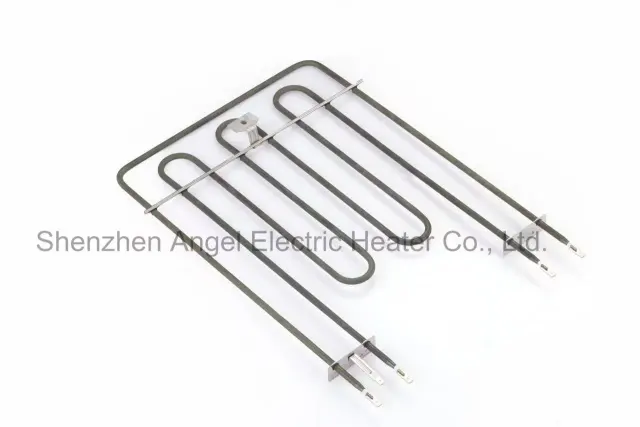
Sunday, November 9, 2025

Troubleshooting Common Issues with Electric Tube Heaters in Ovens

Electric tube heaters are essential components in many ovens, providing efficient and reliable heating for both home and commercial applications. As tubular heating elements manufacturers continue to innovate, understanding how to maintain and troubleshoot these devices becomes increasingly important. This article explores common issues that may arise with electric tube heaters in ovens and provides guidance on how to identify, diagnose, and address these problems. By following these tips, users can ensure optimal performance and longevity of their heating elements, saving time and resources in the long run.


Table of contents:

Identifying Signs of Wear in Electric Duct Heater Components

Step-by-Step Guide to Diagnosing Electric Tube Heater Malfunctions

When to Replace vs Repair Your Electric Tube Heaters

Preventive Maintenance Practices for Extending Electric Heater Lifespan


Identifying Signs of Wear in Electric Duct Heater Components

Electric heater manufacturers design their products to withstand high temperatures and frequent use, but even the most durable components can show signs of wear over time. One of the first indicators of a failing electric tube heater is uneven heating within the oven cavity. This may manifest as cold spots or inconsistent cooking results. Another sign to watch for is visible damage to the heating element, such as discoloration, warping, or cracks in the protective sheath. Unusual noises during operation, such as buzzing or crackling sounds, can also indicate potential issues with the heating element or its connections. Tubular heating elements manufacturers recommend regular visual inspections to catch these signs early and prevent more significant problems down the line.


Step-by-Step Guide to Diagnosing Electric Tube Heater Malfunctions

When troubleshooting electric tube heaters, it's essential to follow a systematic approach. First, ensure the oven is unplugged and cool before beginning any inspection. Check for visible damage to the heating element and its connections. Next, use a multimeter to test the continuity of the heating element – a lack of continuity indicates a broken element that requires replacement. Inspect the thermostat and temperature control components, as these can also cause heating issues if faulty. Electric heater manufacturers often provide specific diagnostic procedures for their products, so consulting the user manual or contacting the manufacturer directly can be helpful. Remember that safety should always be the top priority when working with electrical components.


When to Replace vs Repair Your Electric Tube Heaters

Deciding whether to replace or repair an electric tube heater depends on several factors. Minor issues, such as loose connections or faulty thermostats, can often be repaired relatively easily. However, if the heating element itself is damaged or has reached the end of its lifespan, replacement is typically the best option. Tubular heating elements manufacturers design their products to last for many years, but factors like frequency of use and operating conditions can affect longevity. When considering replacement, evaluate the cost of repairs against the price of a new heating element. In some cases, upgrading to a newer, more efficient model may be more cost-effective in the long run. Always choose replacement parts from reputable electric heater manufacturers to ensure compatibility and quality.


Preventive Maintenance Practices for Extending Electric Heater Lifespan

Proper maintenance is key to maximizing the lifespan of electric tube heaters. Regular cleaning is essential to prevent the buildup of debris that can affect heating efficiency and potentially damage the element. Always follow the manufacturer's guidelines for cleaning methods and frequency. Inspecting electrical connections and tightening them if necessary can prevent issues caused by loose wires. Tubular heating elements manufacturers often recommend periodic professional inspections to catch potential problems early. Additionally, avoiding sudden temperature changes and using the oven within its specified temperature range can help prevent stress on the heating elements. By implementing these preventive measures, users can significantly extend the life of their electric tube heaters and maintain optimal performance.


Electric tube heaters play a crucial role in the functionality of ovens, and understanding how to troubleshoot and maintain them is essential for both home and commercial users. By familiarizing yourself with common issues, diagnostic techniques, and maintenance practices, you can ensure your oven continues to operate efficiently and safely. Remember that while some problems can be addressed through DIY methods, complex issues should always be handled by professionals or the original electric heater manufacturers. Regular care and attention to your oven's heating elements will not only extend their lifespan but also contribute to better cooking results and energy efficiency in the long term.


tubular heating elements manufacturers

Friday, September 5, 2025

Why Stainless Steel Electric Tube Heaters Are Dominating the Market in 2025

The landscape of heating technology has undergone a remarkable transformation in recent years, with stainless steel electric tube heaters emerging as the frontrunners in both residential and commercial applications. As electric heater manufacturers continue to innovate, the demand for efficient, durable, and versatile heating solutions has skyrocketed. Tubular heating elements manufacturers have responded by developing advanced products that meet the evolving needs of consumers and industries alike. The rise of stainless steel, particularly SUS304, in the production of electric tube heaters has revolutionized the market, offering unparalleled performance and longevity.


Table of contents:

Exploring the Durability of SUS304 in Modern Electric Tube Heaters

How Corrosion Resistance Impacts the Longevity of Electric Duct Heaters

Comparing Different Stainless Steel Grades for Electric Tube Heaters

The Impact of Material Choice on Electric Tube Heater Performance


Exploring the Durability of SUS304 in Modern Electric Tube Heaters

SUS304 stainless steel has become the material of choice for many electric heater manufacturers, and for good reason. This high-quality alloy offers exceptional durability, making it ideal for the demanding conditions inside microwave ovens and industrial heating applications. Tubular heating elements manufacturers have recognized the superior properties of SUS304, including its resistance to high temperatures and its ability to withstand thermal cycling. These characteristics ensure that electric tube heaters made from SUS304 can maintain their structural integrity and performance over extended periods, even when subjected to frequent heating and cooling cycles.


How Corrosion Resistance Impacts the Longevity of Electric Duct Heaters

One of the key advantages that stainless steel electric tube heaters offer is their exceptional corrosion resistance. This property is particularly crucial for electric duct heaters, which are often exposed to moisture and potentially corrosive elements in the air. Electric heater manufacturers have capitalized on the inherent corrosion resistance of stainless steel to create products that can withstand harsh environments without degradation. The corrosion-resistant nature of stainless steel ensures that these heaters maintain their efficiency and safety over time, even when installed in challenging locations such as coastal areas or industrial settings. Tubular heating elements manufacturers have noted that this resistance to corrosion significantly extends the operational life of their products, providing customers with a more cost-effective heating solution in the long run.


Comparing Different Stainless Steel Grades for Electric Tube Heaters

While SUS304 is widely used, electric heater manufacturers also offer alternatives such as SUS321, INC840, and INC800 for specific applications. Each grade of stainless steel brings its own set of properties that can be advantageous in certain scenarios. For instance, SUS321 offers improved resistance to intergranular corrosion at high temperatures, making it suitable for applications where the heater is subjected to prolonged exposure to extreme heat. Tubular heating elements manufacturers must carefully consider the specific requirements of each application when selecting the appropriate stainless steel grade. Factors such as maximum operating temperature, chemical exposure, and thermal cycling frequency all play a role in determining the optimal material choice.


The Impact of Material Choice on Electric Tube Heater Performance

The selection of stainless steel for electric tube heaters goes beyond durability and corrosion resistance; it also significantly affects the overall performance of the heating system. Electric heater manufacturers have found that stainless steel's excellent thermal conductivity allows for efficient heat transfer, resulting in faster heating times and more uniform temperature distribution. This efficiency translates to energy savings for users, as less power is required to achieve and maintain desired temperatures. Additionally, the stable structure of stainless steel ensures that the heaters maintain their shape and performance characteristics even after repeated use at high temperatures.


The dominance of stainless steel electric tube heaters in the market is a testament to their superior qualities and the innovative efforts of electric heater manufacturers. As we move towards more energy-efficient and durable heating solutions, the role of these heaters is likely to expand further. The versatility of stainless steel allows tubular heating elements manufacturers to cater to a wide range of applications, from household appliances to industrial processes. With ongoing advancements in material science and manufacturing techniques, we can expect to see even more refined and efficient stainless steel electric tube heaters in the future, solidifying their position as the go-to choice for reliable and high-performance heating solutions.


electric heater manufacturers, Tubular heating elements manufacturers

Systolic diastolic map and pulse rate readings on a pet bp monitor

Introduction: Pet BP monitor readings are useful only when buyers understand what each number represents and where veterinary interpretation...